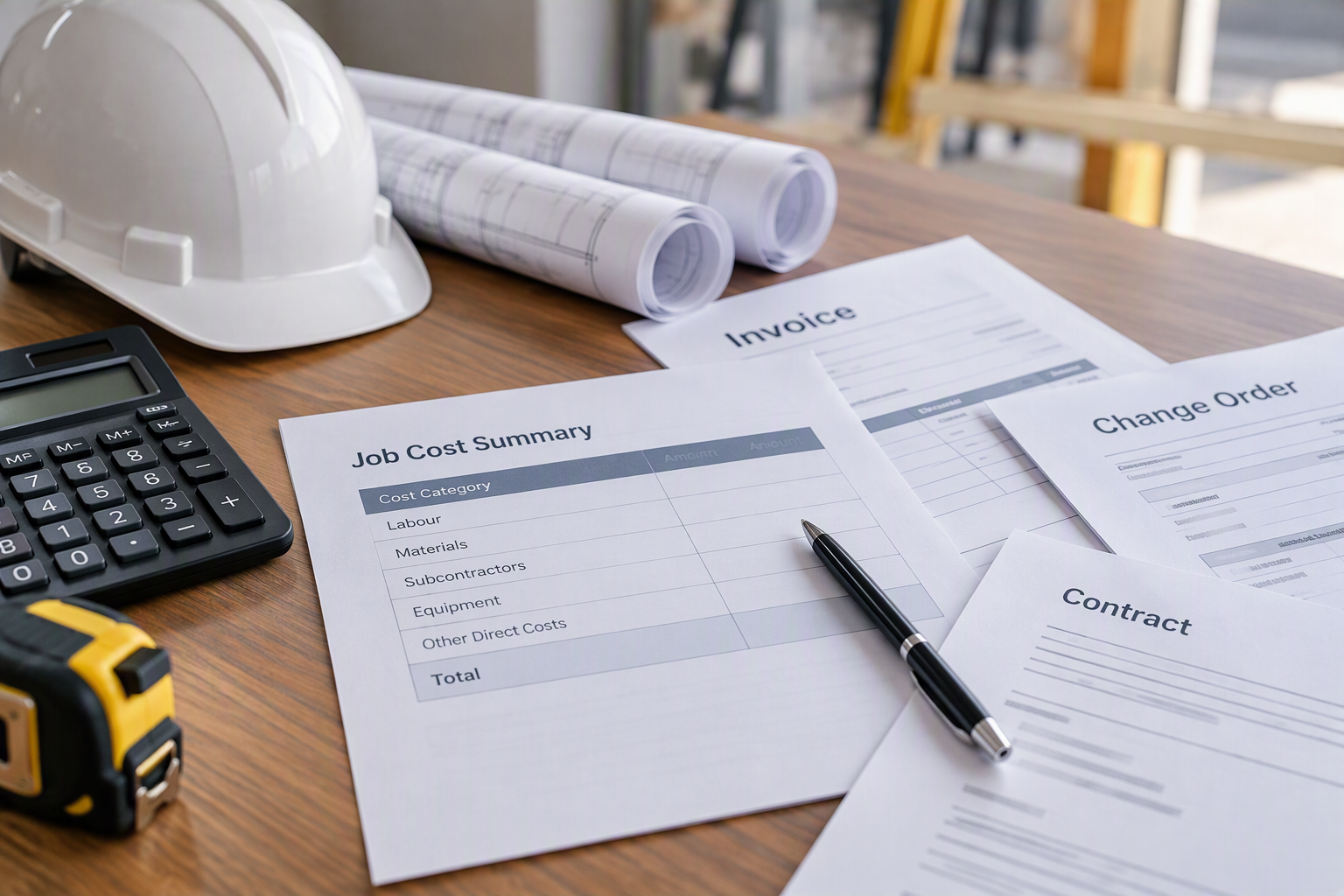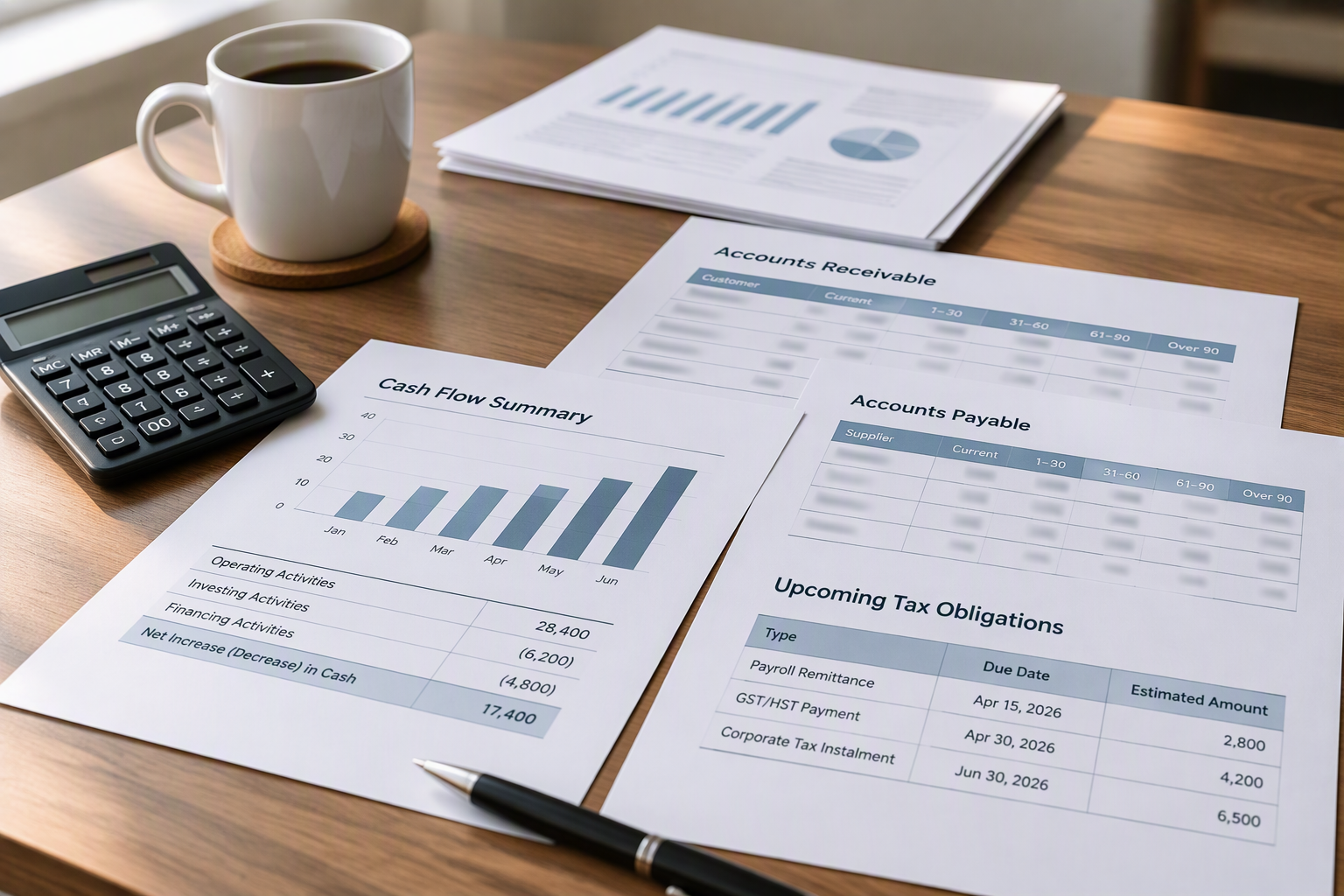


A bookkeeping cleanup checklist can help identify incomplete periods, unreconciled accounts, missing documents and unresolved balances before records are sent to an accountant. The purpose is not to force every transaction into an account or make unsupported entries simply so the books appear complete.
Preserve the available evidence, document uncertain items and prepare a clear question list. A transparent hand-off is more useful than records that appear finished but cannot be supported.
For more practical accounting and recordkeeping guides, visit the ACCPAS Insights resource centre.
1. Close incomplete periods
Confirm that routine income and expense activity has been recorded through the hand-off date. Review missing bank feeds, unposted sales or purchase batches, duplicate imports and skipped periods.
Identify the last date each major account was updated. If information is missing, document the gap rather than entering an unsupported estimate merely to complete the period.
2. Reconcile external accounts
Reconcile bank, credit-card, payment-processor and loan accounts to their external statements. Investigate outstanding deposits, duplicate transactions, old cheques, fees, interest and unexplained differences.
Do not post a general adjustment solely to make an account agree. Record the cause of the difference or add the item to the question list for follow-up.
Record the completed reconciliations and outstanding differences in the bookkeeping cleanup checklist so the reviewer can see which accounts still require follow-up.
3. Review suspense and uncategorized balances
Review suspense, uncategorized, clearing and “ask my accountant” accounts. Attach available supporting documents, describe the business purpose and identify the party involved.
Keep unresolved transactions visible for review. Guessing an account classification can obscure the original transaction and make the later review more difficult.
4. Separate personal and business activity
Identify personal charges, owner-paid business costs, reimbursements, drawings, shareholder advances and transfers between related accounts. Retain the original transaction details and supporting documents.
Do not remove or relabel these transactions prematurely. The appropriate accounting or tax treatment depends on the business structure, supporting records and circumstances.
5. Review receivables and payables
Review customer and supplier balances for duplicate invoices, unapplied payments, old credits, disputed items and amounts that may already have been settled.
Prepare an aged list and add explanatory notes to unusual or stale balances. Writing off, reclassifying or otherwise adjusting an amount may require professional judgment.
6. Preserve the audit trail
Keep the connection between each transaction, its supporting document and its entry in the accounting records. Retain invoices, receipts, contracts, payment confirmations, correspondence and reconciliation details in the approved recordkeeping system.
The CRA describes an audit trail as the information needed to recreate the sequence of events related to a business transaction. Electronic records must connect supporting documents to the summarized financial accounts.
Electronically created records should remain available in an electronically readable format, and the business is responsible for retaining and safeguarding its electronic data files.
Bookkeeping cleanup checklist
Use this bookkeeping cleanup checklist to document completed work and identify balances or records that still require follow-up.
- Routine transactions recorded through the hand-off date
- Bank and credit-card accounts reconciled
- Payment processors and loan accounts reconciled
- Duplicate and missing transactions reviewed
- Suspense and uncategorized balances investigated
- Personal and business items identified
- Receivables and payables reviewed
- Payroll and GST/HST control accounts reviewed where applicable
- Supporting documents attached or indexed
- Owner and related-party transactions listed
- Unresolved differences documented
- Question list prepared for review
Common bookkeeping cleanup issues
A cleanup review may identify incomplete records or balances requiring further investigation. Common issues include:
- Bank or credit-card accounts that have not been reconciled
- Duplicate imports or transactions
- Missing sales, purchases or payment records
- Large suspense or uncategorized balances
- Personal and business expenses recorded together
- Transfers recorded as income or expenses
- Old customer or supplier balances
- Loans or payment processors that do not agree with statements
- Owner transactions without sufficient explanation
- Supporting documents that cannot be matched to entries
- Adjustments posted without a clear audit trail
- Estimates that are not identified as estimates
Document each unresolved item and retain the available evidence. If the proper accounting or tax treatment is uncertain, obtain professional advice before changing the records.
How ACCPAS can help
ACCPAS can help review your bookkeeping cleanup checklist, assess the condition of the records and identify reconciliation or documentation gaps. Unresolved balances and treatment-sensitive transactions can be organized into a clear question list before the accounting or tax review begins.
The objective is a practical, supportable hand-off based on the records that exist. The appropriate treatment of specific transactions depends on the available evidence and the business’s circumstances.
Are unresolved balances or missing documents delaying your bookkeeping hand-off?
Bring the accounting records, external statements, supporting documents and list of unresolved transactions.
Keep the completed bookkeeping cleanup checklist with the reconciliation reports, supporting documents and unresolved-question list for the accountant’s review.
Source
CRA: Review of businesses systems and keeping audit trails
CRA: Electronic records