
Corporate tax return documents normally include finalized accounting records, reconciliations, prior tax information and supporting schedules for significant transactions. The exact package depends on the corporation’s activities, ownership, tax accounts and changes during the year.
A well-organized package should explain unusual balances and transactions rather than leaving the reviewer to infer what occurred. Use this guide as a preparation checklist, and identify any missing or uncertain information before the return is completed.
The following corporate tax return documents checklist identifies the main financial, ownership, tax-account and transaction records to prepare for review.
For more practical recordkeeping and tax-preparation guidance, visit the ACCPAS Insights resource centre.
1. Finalize core financial records
Provide the year-end trial balance, general ledger, income statement, balance sheet and supporting reconciliations. Include bank, credit-card, loan and payment-processor statements, along with accounts-receivable, accounts-payable and inventory schedules where applicable.
Identify accounts that are not reconciled and explain material adjusting entries. Do not post an unexplained adjustment solely to make a balance agree.
2. Confirm corporate and ownership information
Confirm the corporation’s legal name, business number, registered address, tax year-end and current contact information. Include the articles of incorporation and details of material changes involving directors, officers, shareholders, share ownership or corporate structure.
Where information changed during the year, provide the effective date and supporting corporate records rather than relying only on the prior return.
3. Gather prior tax and program-account records
Provide the prior corporate tax return, notices of assessment or reassessment, instalment history and relevant CRA correspondence. Include GST/HST and payroll summaries where those program accounts apply.
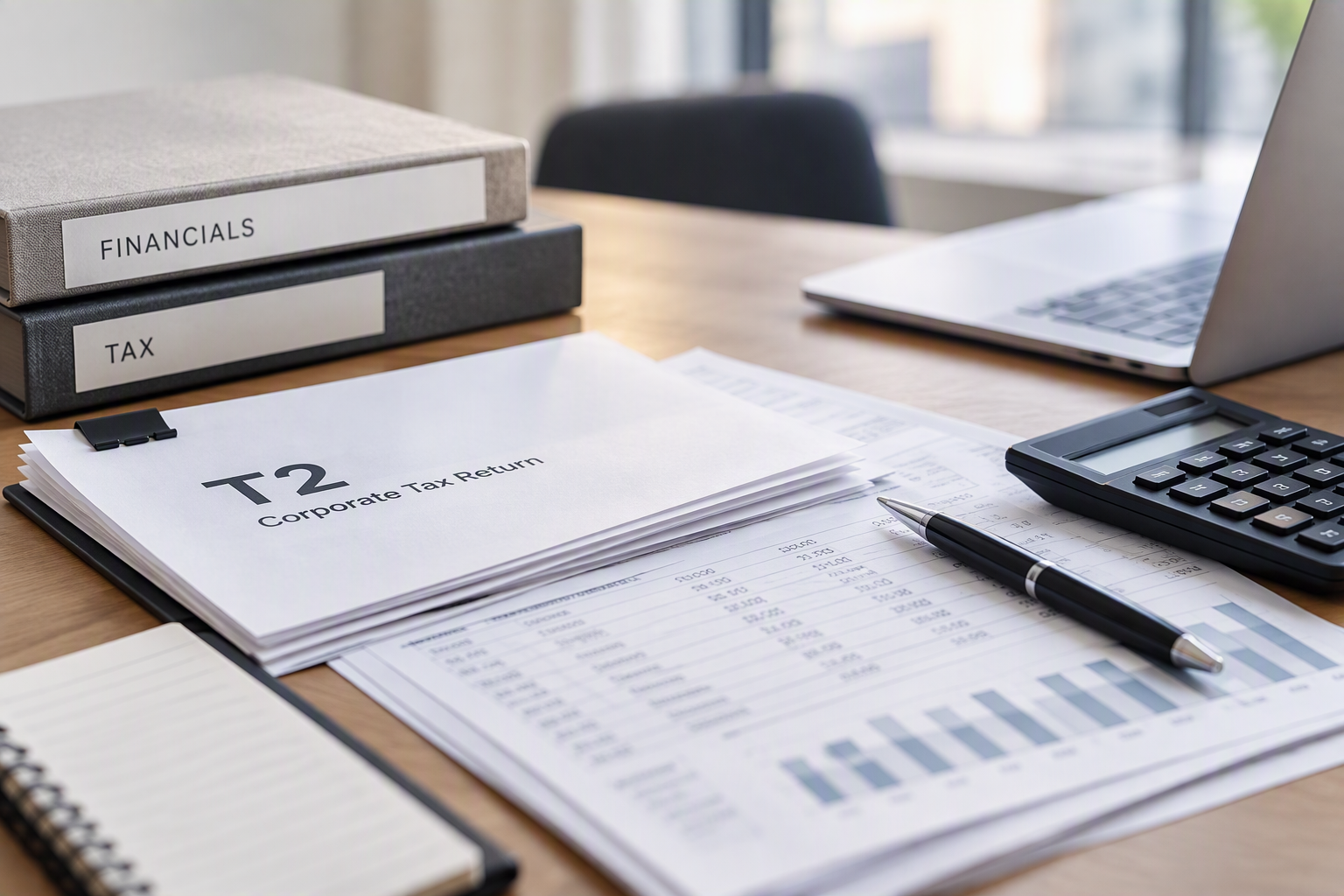
Most resident corporations must file a T2 return for every tax year, even when no tax is payable, subject to CRA’s listed exceptions.
Keeping these corporate tax return documents together can make it easier to identify missing notices, instalment information and unresolved tax-account differences.
4. Prepare asset, financing and related-party schedules
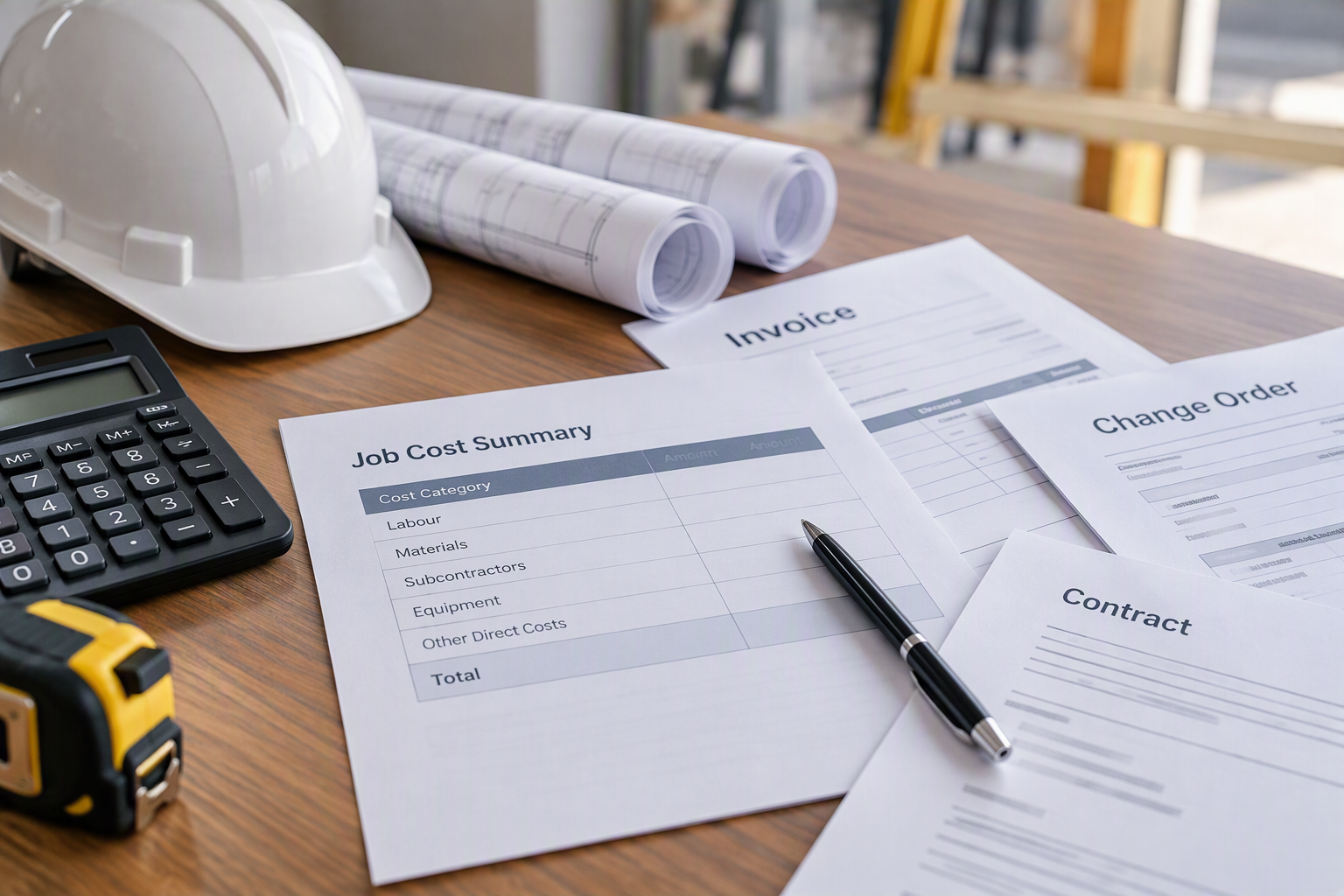
Prepare details of major asset purchases and disposals, loans, leases, grants, dividends, salaries, shareholder advances, expense reimbursements and other related-party transactions.
Include agreements, invoices, payment records and explanations of the business purpose. Avoid combining materially different transactions into one unsupported balance.
5. Explain major operating changes
Describe new locations, business lines, reorganizations, acquisitions, closures and other material events that occurred during the year. Include the dates involved and identify the related agreements or accounting records.
Flag unusual transactions for professional review rather than assigning an accounting or tax treatment without sufficient information.
6. Reconcile balances and unresolved items
Compare the final accounting records with bank statements, tax-program accounts, payroll records and other available external information. List unreconciled balances, missing documents and transactions whose treatment remains uncertain.
A written question list gives the reviewer a clearer starting point and helps distinguish verified information from estimates or incomplete records.
7. Confirm filing and payment timing
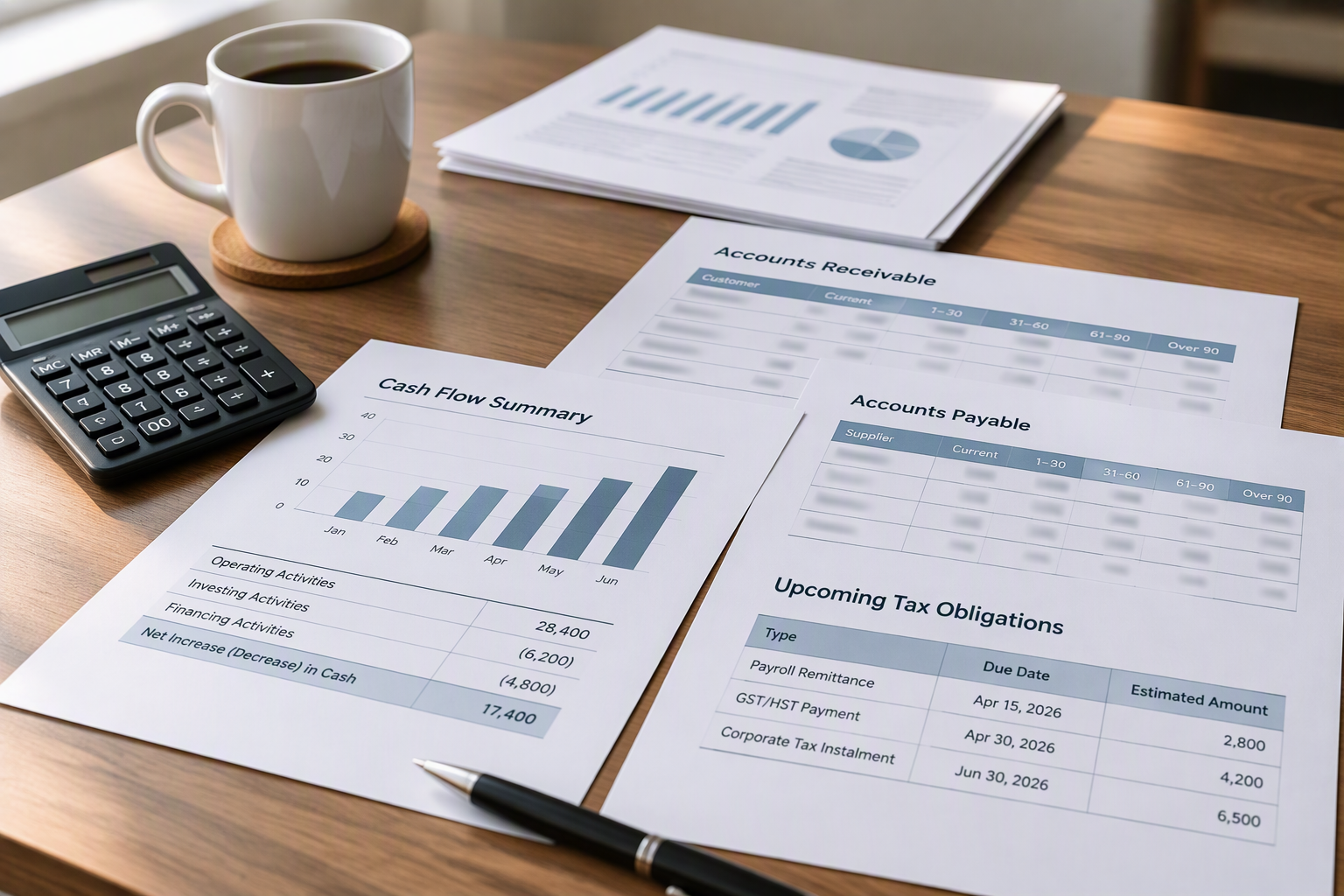
A corporation generally must file its T2 return within six months after the end of its tax year. The filing deadline and balance-due day are separate obligations and may not be the same.
Any remaining corporate tax balance is generally due two months after the tax year-end. A three-month balance-due period may apply to an eligible Canadian-controlled private corporation when the CRA’s stated conditions are met. Confirm the corporation’s actual deadline rather than relying on the filing date alone.
Corporate tax document map
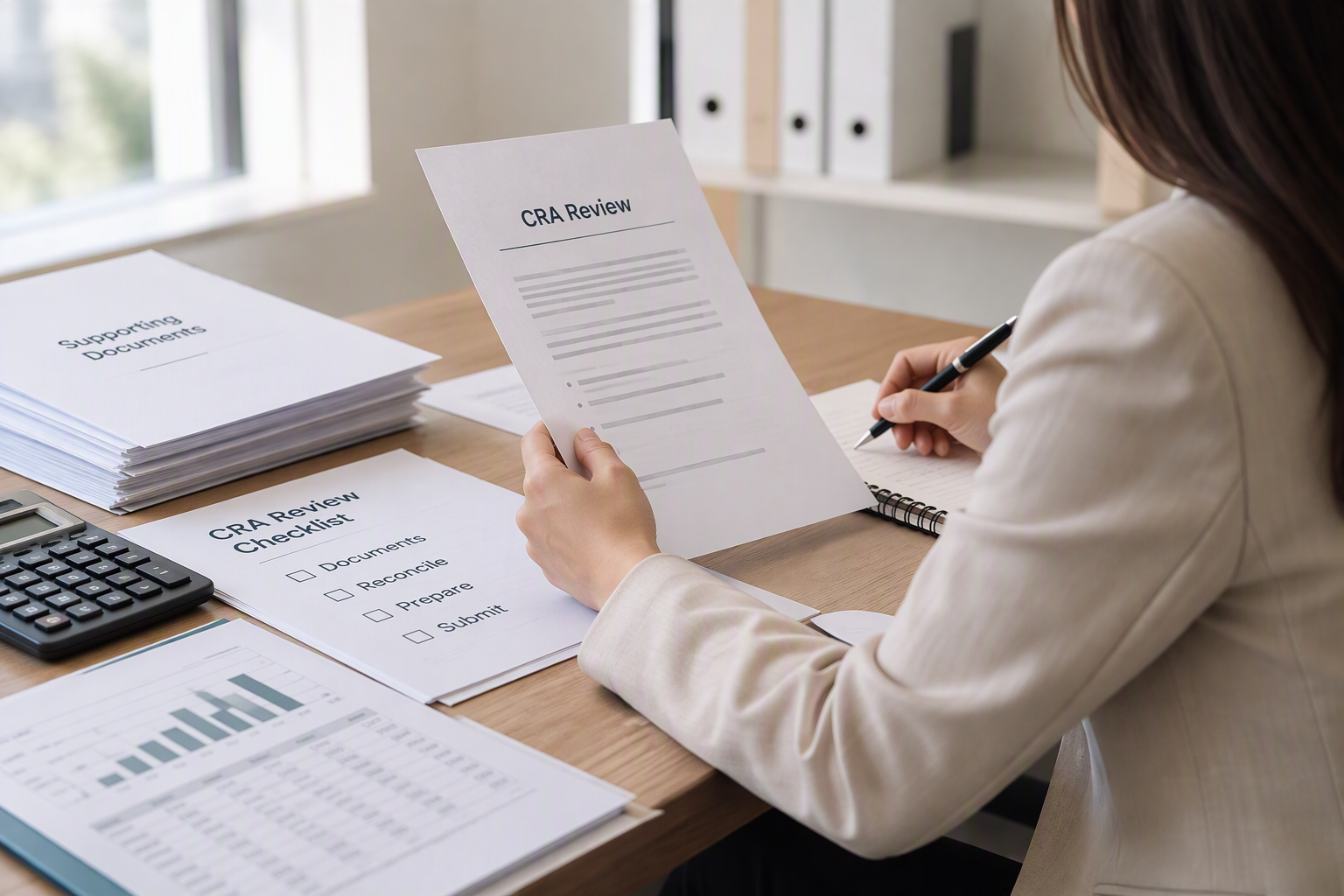
Use this corporate tax return documents checklist to identify what is complete and what still requires follow-up.
- Final trial balance and financial statements
- General ledger and reconciliation reports
- Corporate legal and ownership information
- Prior returns, notices and instalment records
- GST/HST and payroll summaries where applicable
- Asset additions and disposal schedules
- Loan, lease and financing agreements
- Shareholder and related-party transaction schedule
- Explanation of unusual or material events
Common preparation issues
A document review may identify incomplete records or balances that need explanation before filing. Common issues include:
- Bank or credit-card accounts that are not reconciled
- Shareholder transactions without clear supporting records
- Asset purchases or disposals missing invoices or agreements
- Payroll or GST/HST balances that do not agree with filed information
- Old receivable, payable or suspense balances
- Financing transactions without current statements or agreements
- Corporate or ownership changes not reflected in the records
- Estimates that are not clearly identified as estimates
- Missing CRA correspondence or prior assessment information
- Unusual transactions without a written explanation
Document each unresolved item and retain the available support. If the correct accounting or tax treatment is uncertain, obtain professional advice before the return is submitted.
How ACCPAS can help
ACCPAS can help review your corporate tax return documents, identify missing records, reconcile relevant accounts and prepare a clear list of issues requiring follow-up. Where the year includes material asset, financing, shareholder or operational changes, the available facts and supporting records can be organized before the return is completed.
The objective is a complete, supportable preparation process. The appropriate accounting and tax treatment depends on the corporation’s circumstances and applicable requirements.
Preparing a corporate tax return package and unsure what is missing?
Bring the current financial records, prior tax information and list of unresolved transactions or questions.
Keep the completed corporate tax return documents checklist with the supporting records and list of unresolved questions for the preparation discussion.
Sources
CRA: Corporation income tax return
CRA: T2 Corporation Income Tax Guide
CRA: Completing a T2 return
CRA: 2026 tax deadlines for Canadian business
CRA: Corporation balance-due day